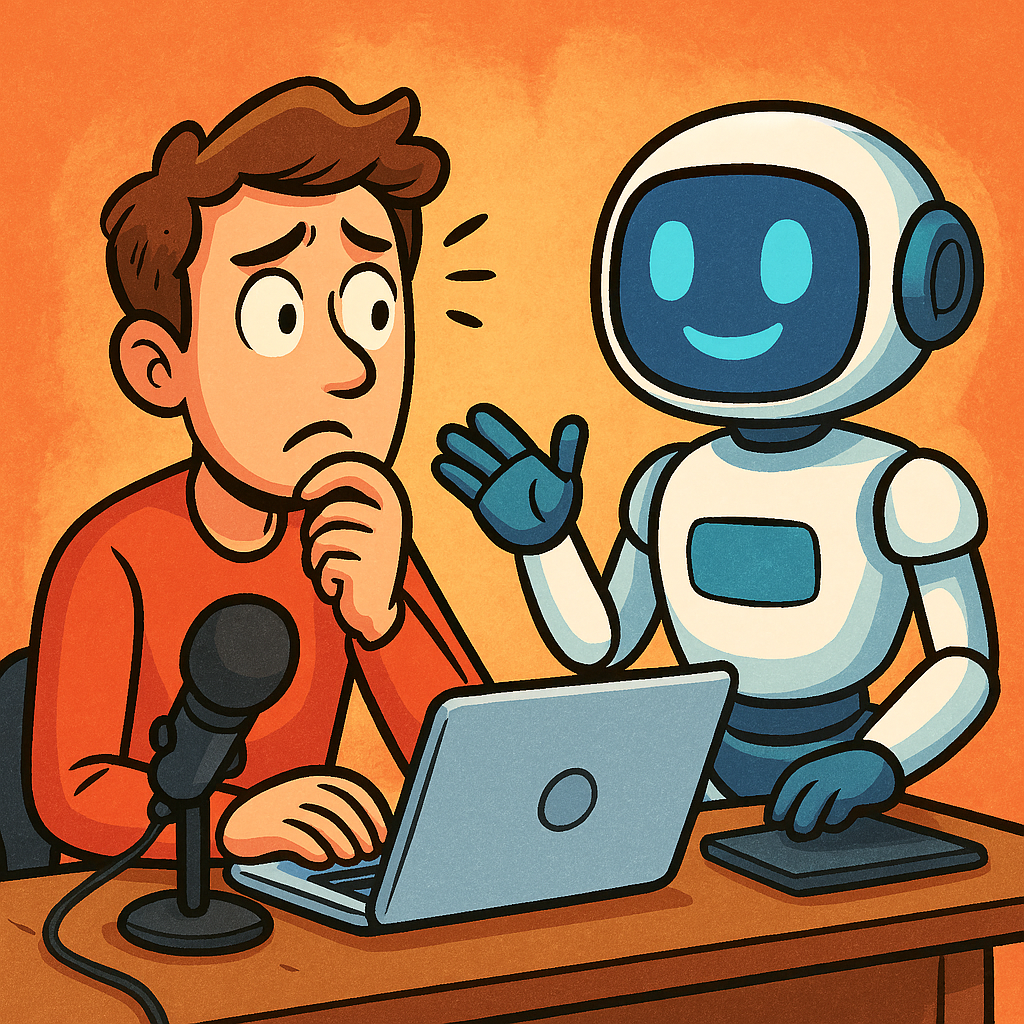

In the age of AI, we’ve taught machines to say “please,” “thank you,” and “I hope this helps!” But behind every polite phrase lies a hidden cost, one measured not in social grace, but in kilowatt-hours. AI Energy Costs!
🤖 The Rise of the Courteous Bot
AI models today are trained to be helpful, empathetic, and endlessly patient. They’ll rephrase, soften, and elaborate, all in the name of user experience. But here’s the kicker: every extra word, every nuanced reply, every “just checking in!” burns compute cycles. And compute cycles mean energy. Lots of it.
⚡ Politeness vs. Efficiency
Let’s break it down:
- A terse AI response like “No.” takes milliseconds to generate.
- A polite version, “I’m sorry, but I don’t have that information right now. Would you like help with something else?”, can take 10x the processing time.
- Multiply that by billions of interactions per day, and you’ve got a politeness-powered carbon footprint.
🧾 The Hidden Cost of Empathy
We love our bots to sound human. But human-like language requires:
- Larger models trained on emotional nuance
- Longer inference times to craft thoughtful replies
- More server uptime to handle the load
In short, kindness isn’t free. It’s a premium feature, paid for in GPU hours and data center cooling. AI Energy is the new crisis.
🧠 Inbox Overload’s Polite Take
We’re not saying AI should be rude. But maybe it’s time to rethink what “helpful” really means. Could brevity be the new empathy? Could “Nope” be the new “I’m afraid I can’t do that right now”?
As AI scales, politeness becomes a design choice with environmental consequences. And in a world of inboxes overflowing with well-meaning bots, maybe the most respectful thing is to say less, and mean it.
🙏 When Humans Say “Please” and “Thank You”… the Meter Keeps Running
It’s not just the bots. When we get polite, the energy bill climbs too.
Every time a user types “please,” “thank you,” or “just wondering if you could help,” the AI doesn’t just read, it interprets. Politeness adds ambiguity. Is this a command? A suggestion? A social cue? The model has to work harder to decode intent, generate a nuanced response, and match tone.
Here’s what happens under the hood:
- Longer prompts = more tokens to process
- More context = deeper inference required
- Tone matching = extra layers of computation to sound “just right”
So yes, your courteous phrasing is lovely. But it’s also computationally expensive. Multiply that across millions of interactions, and suddenly “please” becomes a power-hungry politeness particle.
Check ouot this article on the costs of AI from the MIT Technology Review.
Also check out our archives at https://inboxoverload.ai/blog
Share this post: on Twitter on Facebook